Introduction: A Shift Toward Honest, Industrial Design
Across hotels, restaurants, cafés, resorts, office campuses, and public spaces, metal-exposed outdoor furniture has become a defining design trend. Unlike traditional furniture that hides its structure, these products celebrate visible metal frames, often paired with woven materials, slings, or solid surfaces.
For commercial buyers, the appeal goes beyond aesthetics. Durability, lifecycle cost, sustainability, and architectural alignment are driving this shift.
This article explains why metal frame outdoor furniture is trending in commercial environments, and what decision-makers should consider when sourcing it.
What Is Metal-Exposed Outdoor Furniture?
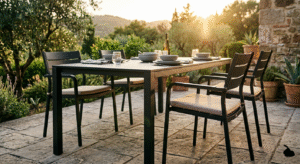
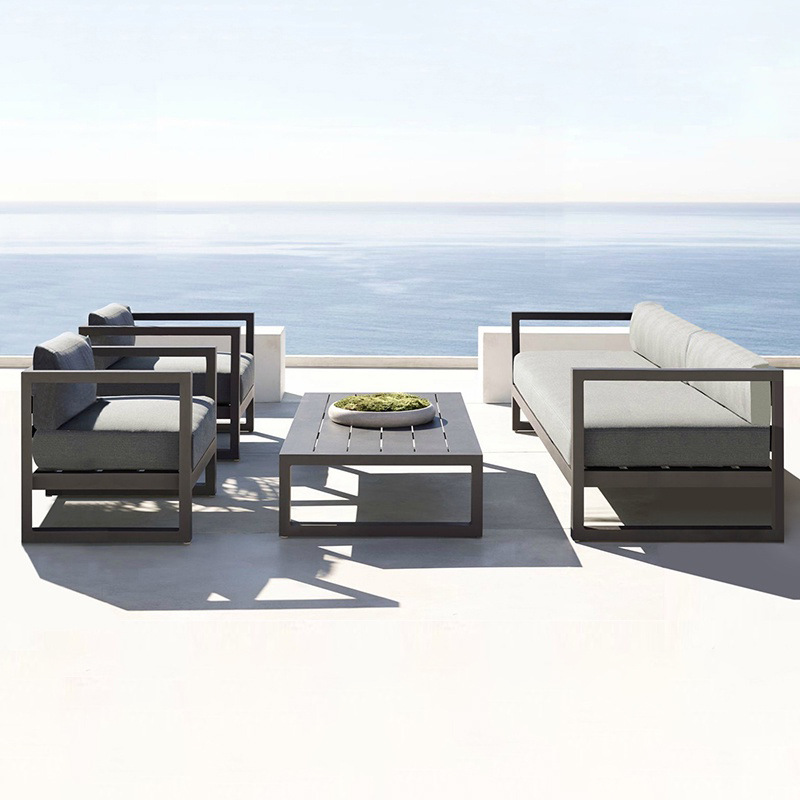
Metal-exposed outdoor furniture refers to seating, tables, loungers, and modular systems where the metal frame remains intentionally visible rather than concealed by upholstery or bulky coverings.
Common materials include:
- Aluminum (powder-coated or anodized)
- Stainless steel (304 / 316 for coastal areas)
- Galvanized steel
- Iron with anti-corrosion treatment
These frames are often combined with:
- Synthetic rattan (PE wicker)
- Textilene or sling fabric
- Solid wood or composite tabletops
- Quick-dry foam cushions
1. Durability That Meets Commercial Demands
Built for High-Traffic Use
Commercial outdoor spaces experience:
- Frequent use
- Heavy loads
- Constant movement
- Exposure to sun, rain, and temperature changes
Metal frames provide structural strength and shape retention that plastic or wood alone cannot match.
Corrosion-Resistant Engineering
Modern metal-exposed furniture uses:
- Multi-layer powder coating
- Anti-UV finishes
- Welded or reinforced joints
This makes it ideal for:
- Hotel poolside furniture
- Restaurant patios
- Rooftop terraces
- Public seating areas
2. Modern Aesthetics Preferred by Architects & Designers
Industrial Meets Minimalism
Visible metal frames align perfectly with:
- Contemporary architecture
- Industrial and urban design
- Mediterranean and resort styles
- Scandinavian minimalism
Designers prefer metal-exposed structures because they:
- Look lighter and more open
- Create clean lines and geometric balance
- Complement concrete, glass, and stone environments
Consistent Visual Language Across Spaces
For large commercial projects, metal furniture ensures design consistency across:
- Outdoor dining
- Lounge areas
- Pool decks
- Transitional indoor-outdoor zones
3. Lower Maintenance Costs Over Time
Easy Cleaning & Repair
Compared with fully upholstered outdoor furniture, metal-exposed designs:
- Are easier to clean
- Dry faster after rain
- Resist mold and mildew
- Allow component replacement (fabric, cushion, wicker)
Longer Product Lifecycle
From a procurement perspective, metal-frame furniture:
- Reduces replacement frequency
- Lowers long-term operational costs
- Performs better in harsh climates
This is especially important for hotel groups, restaurant chains, and property developers.
4. Sustainability & Responsible Material Use
Recyclable Materials
Metal furniture supports sustainability goals because:
- Aluminum and steel are highly recyclable
- Longer service life reduces waste
- Modular designs allow part replacement instead of full disposal
Less Material, More Strength
Exposed metal frames require less bulk material while maintaining strength, which aligns with:
- Green building certifications
- Eco-conscious hospitality branding
- ESG procurement standards
5. Flexibility for Custom Commercial Projects
Custom Sizes & Finishes
Metal-exposed outdoor furniture is easier to customize:
- Frame color matching (RAL / Pantone)
- Size adjustments for space planning
- Branding-specific design language
Ideal for OEM & Contract Furniture
For B2B buyers, this furniture style works well for:
- Hotel FF&E projects
- Restaurant chain rollouts
- Real estate staging
- Municipal and public seating
6. Proven Performance in Global Markets
Metal-exposed outdoor furniture is widely adopted in:
- Europe (Mediterranean hospitality, cafés)
- North America (resorts, commercial patios)
- Middle East (heat-resistant outdoor spaces)
- Asia-Pacific (luxury hotels and mixed-use developments)
Its global acceptance makes it a safe, scalable choice for international projects.
Key Buying Considerations for Commercial Buyers
When sourcing metal-exposed outdoor furniture, decision-makers should evaluate:
- Frame material & thickness
- Welding quality and load capacity
- Anti-corrosion treatment standards
- UV resistance of finishes and fabrics
- Stackability and logistics efficiency
- Compliance with commercial safety standards
Conclusion: A Smart Investment for Commercial Outdoor Spaces
Metal-exposed outdoor furniture represents a balance of design, durability, and cost efficiency. Its rising popularity in commercial spaces is not a short-term trend, but a response to real operational and aesthetic demands.
For businesses seeking furniture that performs reliably while enhancing brand image, metal-exposed designs are becoming the industry standard.
Commercial Conversion-Focused
Looking for metal-exposed outdoor furniture for your commercial project?
Explore custom solutions designed for hotels, restaurants, resorts, and large-scale developments.
Request specifications, samples, or a project quote today.